Using Specialty Glass for UV Protection
UV (ultraviolet) control glazing, such as specialized glass or Plexiglas, is often recommended to protect artworks on paper from fading. While this advice is partially correct, it can be misleading if not fully explained. UV glazing can block up to 99% of ultraviolet rays, which are among the most harmful parts of the light spectrum. These rays damage pigments and materials by penetrating the surface, similar to how sunlight affects skin.
However, ultraviolet light is only one factor in the fading process. Visible light also contributes significantly to damage. The total amount of light exposure and the length of time an artwork is exposed are just as important as UV protection. Low light over a long period causes slow fading, while intense light over a short period leads to faster damage. Therefore, UV glazing alone cannot fully prevent fading; it only slows the process.
How Light Affects Artwork Over Time
Light damage to artworks is cumulative and cannot be reversed. Even with protective glazing, prolonged exposure to bright environments will eventually cause fading and discoloration. For example, a work displayed in a dark, controlled space may remain unchanged for many years, while one placed in a bright room with large windows will deteriorate more quickly.
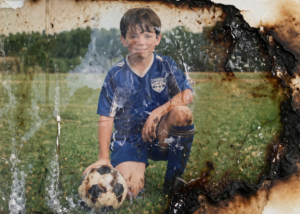
Paper-based artworks are especially vulnerable. Over time, excessive light exposure can cause paper to darken, a condition often referred to as being “light struck.” This type of damage affects both the appearance and value of the artwork.
Museums carefully manage this risk by limiting how long artworks are displayed and controlling light levels. Some works may only be shown for a few months before being stored in darkness for several years. While such strict measures are not practical in most homes, they highlight the importance of controlling light exposure as much as possible.
Best Practices for Protecting Artworks
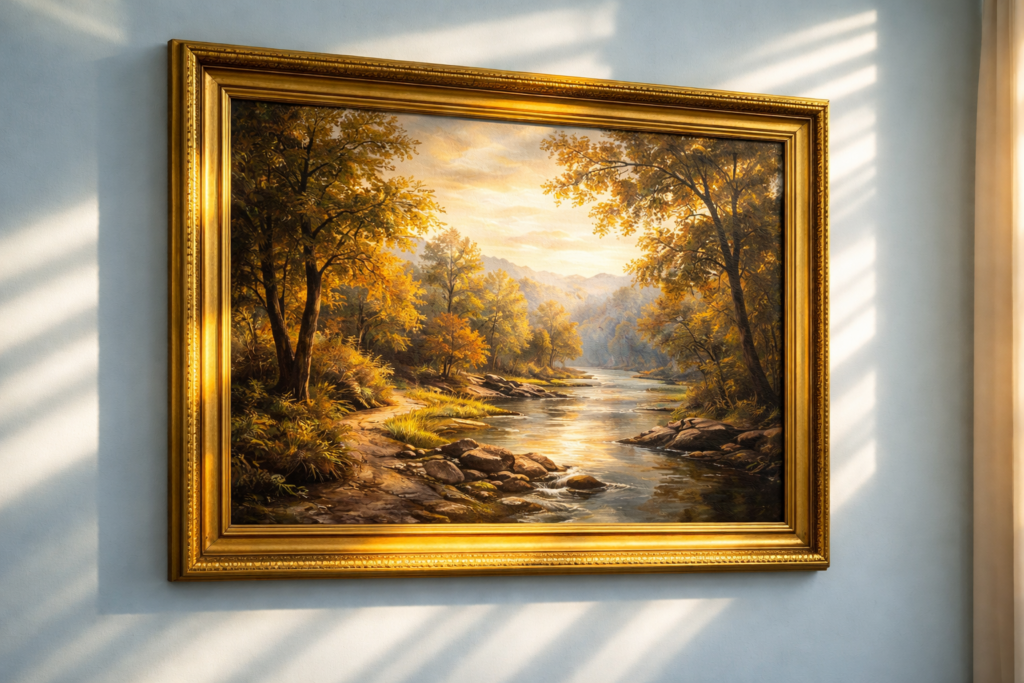
Several strategies can help reduce light damage and extend the life of artworks on paper. Using UV protective glazing is still recommended, especially for valuable pieces, as it reduces the most harmful radiation. However, it should always be combined with other protective measures.
Placement is critical. Artwork should be displayed in rooms with limited natural light, such as hallways or bedrooms that are not frequently used. Lights should be turned off when the space is unoccupied to minimize exposure.
In rooms with strong sunlight, blackout curtains can significantly reduce light intensity. These coverings not only protect artwork but also help preserve furniture and fabrics. In cases where curtains are not practical, custom fabric covers can be placed over the artwork when it is not being viewed. These covers can be easily removed when needed and provide an effective barrier against light.
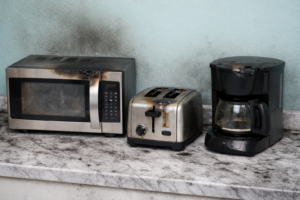
Certain areas should be avoided entirely. Kitchens and bathrooms often have high humidity and temperature changes, which can damage artwork in addition to light exposure. These environments are not suitable for sensitive materials.
Artificial lighting should also be considered. Fluorescent lights produce more UV radiation than other common light sources and can accelerate fading. Protective covers for fluorescent tubes can help reduce this risk. LED and incandescent lighting, while safer in terms of UV output, can still contribute to fading if brightness levels are high.
Limitations of UV Protection and Final Considerations
Although UV glazing is an important tool, it is not a complete solution. Many people assume that once UV-protective glass is installed, artwork is fully protected. In reality, fading can still occur due to visible light and extended exposure. This misunderstanding often leads to damage, especially when artworks are displayed in bright spaces without additional precautions.
Even signatures and inks, which may seem durable, can fade quickly when exposed to light. In some cases, the most significant fading occurs early in the exposure period before slowing over time. This highlights the importance of limiting exposure from the beginning.
For the best results, UV glazing should be part of a broader preservation strategy that includes proper placement, lighting control, and environmental awareness. Consulting experts or manufacturers can also provide guidance for specific situations.
Key Takeaways
- UV glazing blocks most ultraviolet rays but does not fully prevent fading.
- Visible light and exposure time are major factors in artwork deterioration.
- Light damage is cumulative and cannot be reversed.
- Artwork placed in bright environments will fade faster, even with protection.
- Museums limit light exposure to preserve sensitive works.
- Display artwork in low-light areas and turn off lights when not in use.
- Use blackout curtains or protective covers to reduce light exposure.
- Avoid placing artwork in kitchens, bathrooms, or high-humidity areas.
- Fluorescent lighting is more damaging due to higher UV output.
- A complete preservation strategy is necessary for long-term protection.
This article is based partly on this posting