Adjuster Check List on Electronics Water Damage
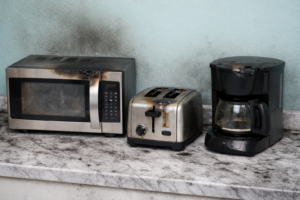
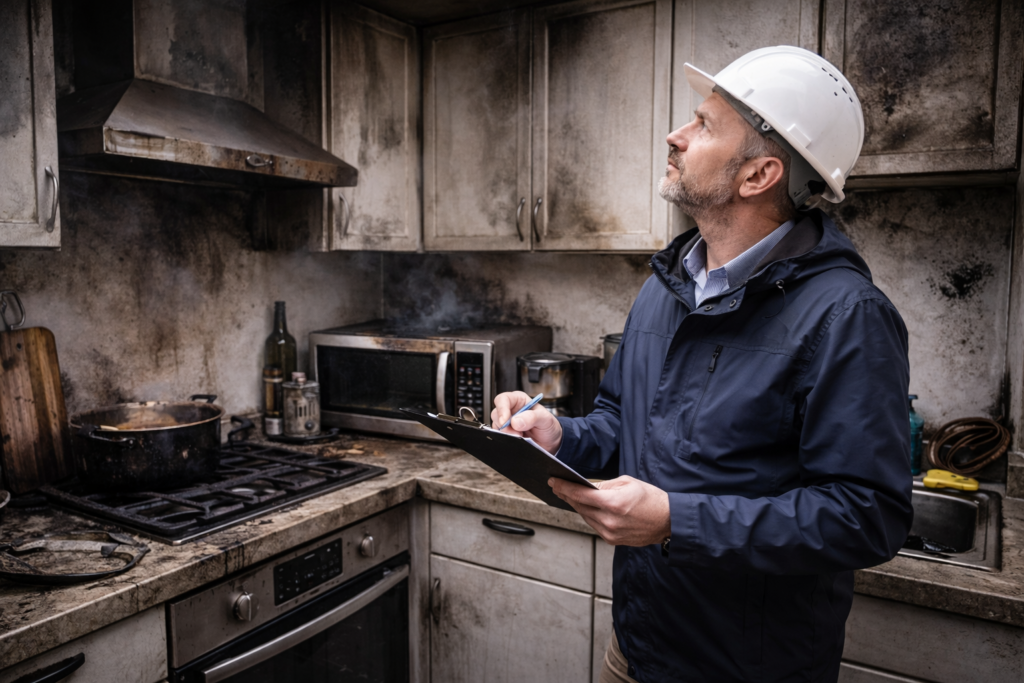
Adjusters inspecting electronics after a fire should begin by identifying clear external signs of damage. Smoke and soot often leave visible evidence that helps determine the severity of exposure.
Visible and External Damage
- Soot and residue may appear as black or yellow buildup on vents, seams, and ports.
- Warped, melted, or blistered plastic casings indicate exposure to high heat.
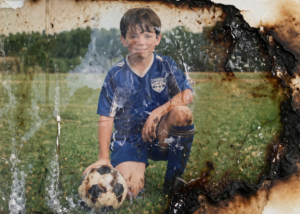
- Discoloration on screens or outer surfaces suggests thermal damage.
- Water or chemical residue from fire suppression may appear as rust, droplets, or condensation inside devices.
- A strong burnt odor often signals that smoke particles have entered internal components.
Internal and Hidden Damage
Much of the damage from smoke occurs inside the device and may not be visible without professional inspection.
- Acidic soot can corrode circuit boards, damaging copper traces and solder joints.
- Internal components such as capacitors and resistors may degrade or fail.
- Wiring insulation may melt or crack due to heat exposure.
- Conductive soot can settle on circuit boards, creating short circuits.
- Smoke particles can enter through vents, fans, and small openings, spreading contamination throughout the device.
Functional and Component Evaluation
Adjusters need to evaluate how the device operates and inspect key components that are most vulnerable.
- Devices may overheat, shut down unexpectedly, or fail to power on.
- Cooling fans and vents are common entry points for soot and require close inspection.
- Hard drives and storage systems are checked for possible data loss.
- Batteries may show swelling, leaking, or heat damage, creating safety hazards.
- The type of smoke and proximity to the fire influence the level of corrosion and damage.
Documentation and Claim Considerations
Proper documentation and timely action are critical for insurance claims and restoration decisions.
- Model and serial numbers should be recorded to verify age and replacement value.
- Photos should document all visible damage and surrounding conditions.
- Devices should not be powered on, as this can cause further internal damage.
- Quick response is important because corrosion continues after the fire.
- Professional restoration specialists can assess whether items are salvageable.
- Some electronics can be restored using specialized cleaning methods, while others may require replacement.
Key Takeaways
- Smoke and soot can cause both visible and hidden damage to electronics.
- External signs include residue, discoloration, and heat-related deformation.
- Internal damage often involves corrosion, short circuits, and component failure.
- Functional issues like overheating or shutdowns signal deeper problems.
- Accurate documentation supports insurance claims and valuation.
- Professional evaluation is essential to determine repair or replacement.
This article was partly based on tis posting.