Adjuster Check List on Textiles Water Damage
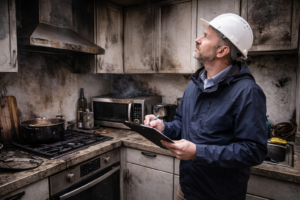
An adjuster must inspect textiles such as clothing, bedding, upholstery, and rugs to determine the level of water damage and whether restoration is possible.
Physical Damage to Textiles
Identify the type of existing damage in the textiles.
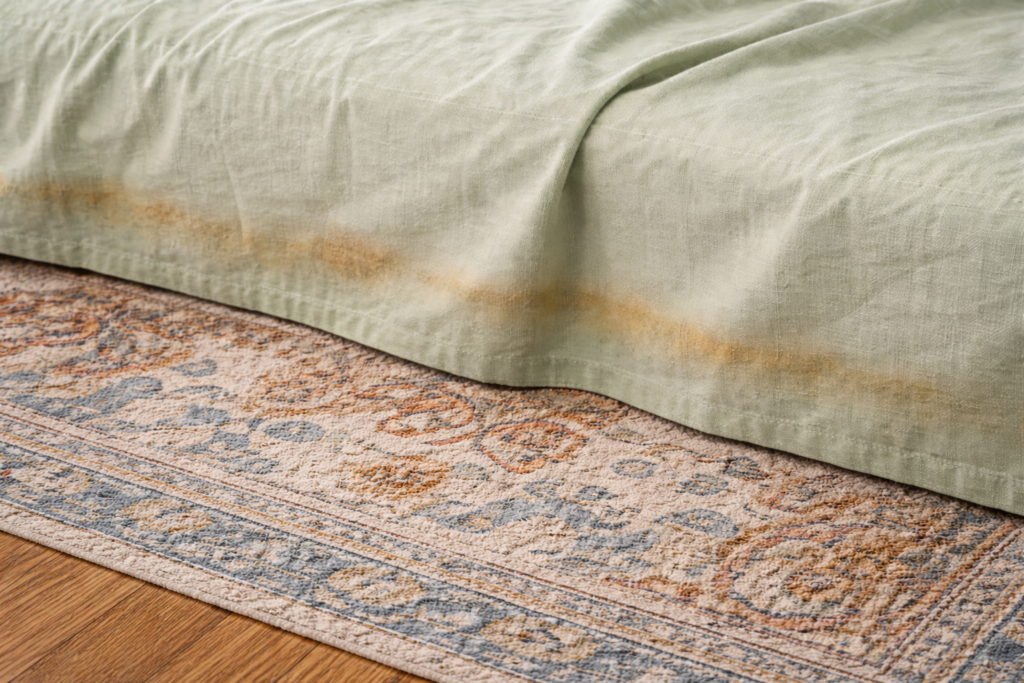
- Staining and tidelines may appear as yellow-brown marks or dark borders, showing where water has soaked and dried.
- Dye bleed and color transfer can occur when colors spread across fabric or onto nearby materials.
- Shrinkage and distortion are common in natural fibers like wool or silk after water exposure.
- Fabric weakening may cause fibers to become brittle or separate from backing materials, especially in older or delicate items.
Biological and Hidden Risks
Moisture can lead to damage that is not always visible right away, increasing long-term risks.
- Musty odors often signal trapped moisture or early microbial growth.
- Mold and mildew may develop in seams, folds, or underneath rugs, especially after 24–48 hours.
- Hidden saturation can occur in large items like mattresses or drapes, which may feel dry on the surface but remain wet inside.
- Moisture meters or physical inspection may be used to detect internal dampness.
Water Category and Restoration Decisions
The type of water exposure plays the most important role in deciding whether textiles can be cleaned or must be replaced.
- Category 1 (Clean Water):
- Comes from sources like broken pipes or clean overflow.
- Items are usually cleaned and restored through laundering or drying if addressed quickly.
- Category 2 (Gray Water):
- Contains moderate contamination from appliances or wastewater.
- Cleaning may be possible with advanced sanitization, but some items may require replacement depending on cost and condition.
- Category 3 (Black Water):
- Includes sewage or floodwater with harmful contaminants.
- Most porous textiles are considered unsafe and are replaced due to health risks.
- Adjusters also evaluate whether restoration methods, such as ozone treatment or specialized cleaning, are cost-effective.
- Category 1 (Clean Water):
Value and Cost Considerations
Textile claims require careful evaluation of value and replacement costs.
- Items are categorized as low-value or high-value, such as everyday clothing versus designer or antique pieces.
- High-value textiles may justify professional restoration, while lower-value items are often replaced.
- Replacement costs can rise quickly due to retail pricing, shipping needs, and additional living expenses.
- Accurate inventories, including brand, age, and cost, help determine proper claim value.
Key Takeaways
- Textile inspection focuses on physical damage, hidden moisture, and contamination risks.
- Common damage includes staining, shrinkage, dye transfer, and weakened fibers.
- Mold, odors, and hidden dampness can create long-term problems.
- Water category is the most important factor in deciding cleaning versus replacement.
- Clean water often allows restoration, while contaminated water usually requires disposal.
- Replacement costs can be high, making accurate documentation and valuation important.
This article is partly based on this posting.